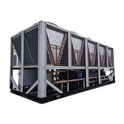
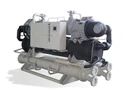
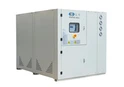
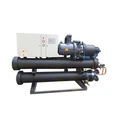
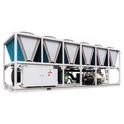
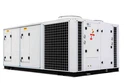
Industrial dehumidifiers play an important role in industrial production, mainly by controlling environmental humidity to ensure production processes, product quality, equipment maintenance, and personnel health. In industrial environments, humidity is an important factor affecting production. Excessive humidity may lead to problems such as mold growth, equipment damage, and reduced production efficiency. Industrial dehumidifiers create suitable environmental conditions for production by adjusting the moisture content in the air.
Control humidity to prevent mold and bacterial growth
A humid environment is a breeding ground for mold and bacteria. In industries such as food processing and pharmaceutical production, excessive humidity can easily lead to product mold and deterioration, affecting product quality and shelf life. For example, in the warehousing process, when the air humidity exceeds 70% RH, materials such as grain and medicine are prone to mold growth. Industrial dehumidifiers can effectively reduce moisture in the air, control humidity within an appropriate range (usually 40% -60% RH), inhibit the growth of mold and bacteria, and ensure product storage safety.
Accelerate the drying efficiency in the production process
Many industrial production processes require drying of materials or products, such as wood processing, printing, plastic molding, etc. Natural drying is greatly affected by the environment and has low efficiency, while industrial dehumidifiers can quickly remove moisture from the air and shorten material drying time by actively dehumidifying. For example, in the textile industry, fabrics need to be dried after dyeing, and dehumidifiers can accelerate water evaporation, improve the drying efficiency on the production line, and thus enhance the overall production progress.
Prevent equipment condensation and corrosion
When the humidity in the air is too high, condensation can easily occur on surfaces of equipment with lower temperatures, such as pipes, instruments, and metal components. The water droplets formed by condensation may cause equipment rusting, circuit short circuits, and affect the normal operation and service life of the equipment. Industrial dehumidifiers reduce air humidity, minimize condensation on equipment surfaces, protect production equipment, lower failure rates, and extend equipment lifespan.
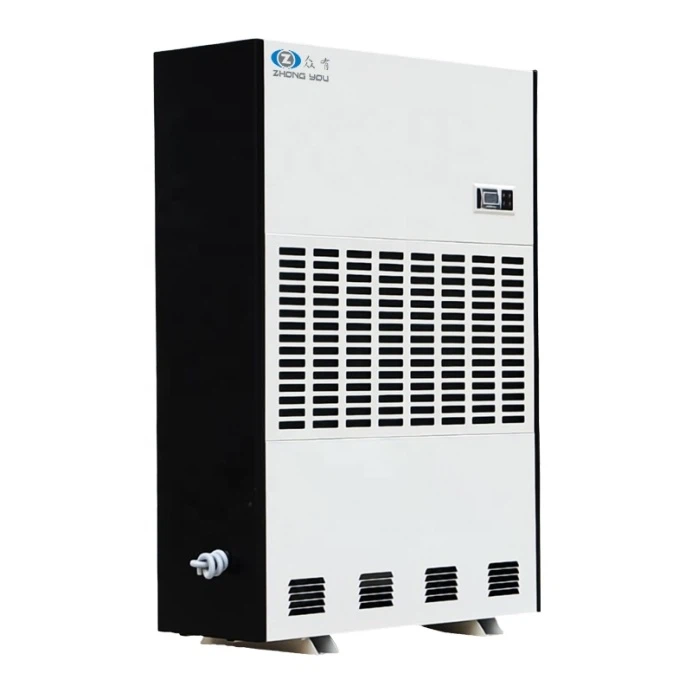
The working principle of an industrial dehumidifier is to draw humid air into the machine through a fan, which is then processed by a refrigeration system (compressor, evaporator, condenser) to condense the moisture in the air into water and discharge it. The dry air is then sent back to the workshop to circulate and reduce indoor humidity. It can accurately control the humidity in the workshop, solve various problems caused by humidity, and is an indispensable environmental control equipment in modern industrial production. For industries sensitive to humidity, the rational use of industrial dehumidifiers is an important measure to ensure smooth production.