


Temperature And Humidity Control Air Conditioner
Feizhong Precision Constant Temperature and Humidity Air Conditioner Unit for Laboratory and Electronics Workshop ±0.5C Accuracy
Variety of Products
Shanghai Feizhong Refrigeration Equipment Co., Ltd. was founded in Shanghai, as a professional home dehumidifier, commercial dehumidifier, industrial air conditioner, ceiling mounted dehumidifier, rotor dehumidifier, roof air conditioner, chiller, humidifier, HVAC products manufacturing companies integrating design R&D
Advanced Technology
Our company has more than 20 professional and technical engineers, all of whom are experienced and outstanding professional technicians. These talents can guarantee to bring you the most professional technical support and services, from installation to personnel training.
Customize, OEM & ODM are acceptable
We offer OEM and ODM service, we have our design team. With more than 15 years of pursuit of excellence and high-quality development, we have a professional technology team, that can help customers to develop their products.
Professional Service
With rich experience and one-to-one service, we can help you choose products and answer technical questions. Excellent communication service is the recurring hallmark of our business and we recognize each customer as an individual who wants individual service.


Product Categories
Latest Products
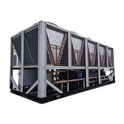


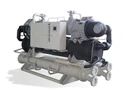
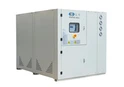
A Temperature and Humidity Control Air Conditioner, also known as a "humidity control air conditioner" or "climate control air conditioner," is a specialized type of air conditioning system designed to regulate both temperature and humidity levels in a given space. While standard air conditioners primarily focus on cooling the air, these specialized units go a step further by addressing humidity control as well.
Features of Temperature and Humidity Control Air Conditioner
Zoning
HVAC systems with zoning capabilities allow different areas within a facility to have individual temperature and humidity settings, optimizing comfort and energy efficiency.
Sensors and Controls
Advanced sensors and controls enable real-time monitoring and adjustment of temperature and humidity levels, ensuring optimal operating conditions at all times.
Energy Recovery Ventilation
HVAC systems equipped with energy recovery ventilation minimize energy wastage by utilizing the energy from outgoing air to precondition incoming air, reducing heating and cooling requirements.
Smart Integration
Integration with building management systems and IoT (Internet of Things) platforms enables automated control, scheduling, and remote monitoring, enhancing overall system efficiency.

The Impact of Precise Temperature and Humidity Control on Industrial HVAC Efficiency
The Importance of Temperature Control
Proper temperature control is crucial for optimizing the performance of HVAC systems in industrial facilities. Here are some key reasons why precise temperature control matters:
1)Energy Efficiency: Maintaining an ideal temperature range allows HVAC systems to operate at their most efficient levels, reducing energy consumption and associated costs.
2)Equipment Performance: Consistent temperature control helps prevent equipment overheating or freezing, which can lead to reduced productivity, increased maintenance, and premature equipment failure.
3)Employee Comfort and Productivity: A comfortable working environment enhances employee satisfaction and productivity, as extreme temperatures can adversely impact concentration, motivation, and overall well-being.
The Significance of Humidity Control
Besides temperature control, managing humidity levels is equally important for industrial HVAC efficiency. Here's why:
1)Mold and Moisture Prevention: High humidity levels promote mold growth and moisture accumulation, leading to potential health hazards and damage to building structures. Effective humidity control mitigates these risks.
2)Enhanced Cooling: Adequate humidity control improves the efficiency of cooling processes by reducing the need for excessive air conditioning, reducing energy consumption and costs.
3)Precision Manufacturing: In certain industries, precise humidity control is critical to maintaining product quality and specifications. For example, in the textile and pharmaceutical sectors, improper humidity levels can cause damage or affect product consistency.
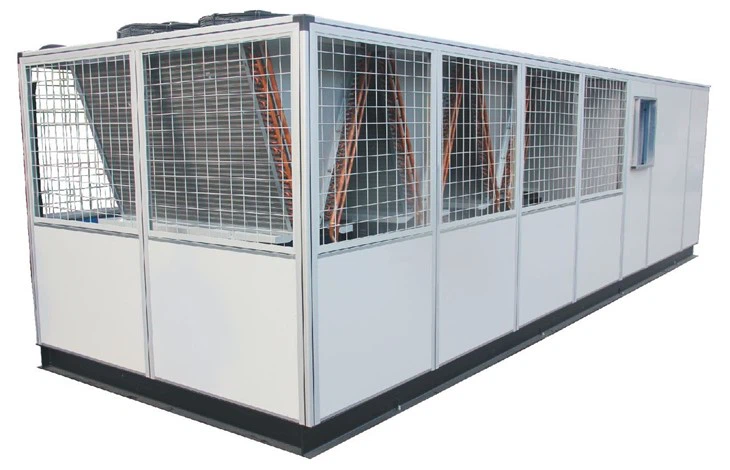
Application of Temperature and Humidity Control Air Conditioner
Manufacturing Plants
Industrial air conditioners help regulate temperature and humidity in manufacturing facilities to maintain optimal conditions for production processes and ensure product quality.
Warehouses and Distribution Centers
Industrial air conditioners are used in large storage areas to control temperature and humidity, preventing damage to goods and ensuring their longevity.
Data Centers and Server Rooms
Temperature control is critical in data centers and server rooms to prevent overheating and ensure the efficient operation of sensitive electronic equipment.
Laboratories and Cleanrooms
Industrial air conditioners are employed to create a controlled environment with precise temperature and humidity levels necessary for scientific experiments, research, and manufacturing operations requiring a sterile environment.
Food Processing and Cold Storage Facilities
These air conditioners are used to regulate temperatures in food processing plants, cold storage facilities, and refrigerated warehouses to preserve the quality and safety of perishable goods.
Pharmaceutical and Biotechnology Industries
Temperature-controlled environments are necessary in pharmaceutical and biotechnology industries for the manufacture, storage, and testing of drugs and sensitive biological materials.
Automotive Manufacturing and Paint Shops
Industrial air conditioners provide a comfortable working environment for employees in automotive manufacturing plants, while also maintaining temperature and humidity levels critical for paint application and drying processes.
Chemical and Petrochemical Plants
Industrial air conditioners help control temperature and humidity in chemical and petrochemical plants to ensure process efficiency, product quality, and employee safety.
Benefits of HVAC and Temperature Control Systems in Commercial Construction
Ensures Proper Ventilation
Not all office spaces have sufficient, simple windows to allow for ventilation. For this reason, as much as an air conditioner may be favorable for cooling, HVAC systems are needed just as much to circulate the air and ensure some fresh, outside air comes in.
The decision to incorporate these systems into the design of your building will also ensure happier, more comfortable employees and clients overall, lending to clients' experiences and willingness to return to your spaces. Comfortable temperatures usually stay around 72 degrees Fahrenheit, with consistent humidity between 40-60% so that it doesn't feel too dry or too damp.
Frees Up Time and Resources
HVAC is usually one of the highest users of energy in the office space – up to 60% of energy goes towards this. By maintaining optimum temperature and humidity levels, you can ensure more efficient use of energy. With proper insulation and making sure the building is sealed off from drafts, the HVAC and temperature control systems don't have to work so hard to maintain stable levels.
In addition, the remote monitoring of these systems results in the ability to track temperature and humidity immediately, saving you time where you would usually have to manually do a walk-through.
Preemptively Identifies Issues
Geared with HVAC and temperature control systems, companies can be sure to quickly identify potential hiccups that arise. This feature is a terrific aspect that can really save companies even bigger long term costs.
Real-time alerts can be sent out when there is a system failure or if min or max temperatures are exceeded for a certain amount of time. This allows business owners and managers to respond quickly.
Reduced Costs
To all the owners of buildings, CF Construction understands the need to maintain energy-efficient design as much as possible in order to reap the benefits of lessened electricity usage.
For this reason, it is more urgent than ever to ensure that building designs include all aspects of HVAC and temperature control from the outset. This includes the proper space for the systems, as well as sufficient insulation.
Long-Lasting
With a promised life-span of between 10-15 years, investment in HVAC units is more than worth your while. Although it may seem like a major initial cost to incur, there are numerous benefits – as seen above.
Our Factory


Frequently Asked Questions about Temperature and Humidity Control Air Conditioner
Q: Can you add humidity control to an HVAC system?
Q: Is an HVAC system enough to control humidity?
Q: Why is my HVAC not removing humidity?
Q: Can an AC unit control humidity?
Q: How does an air conditioner humidifier work?
Q: How does an air conditioner control both temperature and humidity?
Q: How does an air conditioner dehumidifier work?
Send Inquiry
We have an advanced technical team and a professional after-sales department that can provide 24-hrs online consulting services.
We warmly welcome you to wholesale customized chiller made in China here from our factory.
Pls contact us for more details.
