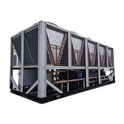
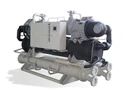
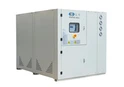
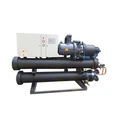
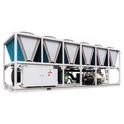
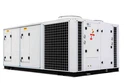
An air handling unit is a centralized air treatment device, mainly used for filtering, heating, cooling, humidifying, dehumidifying and other processes of air to regulate the temperature, humidity, cleanliness and air flow velocity of indoor air, and meet the air environment requirements of specific Spaces. It is widely used in air conditioning systems of various buildings such as office buildings, shopping malls, hospitals, and industrial plants. It is usually composed of components such as fans, heat exchangers, filters, humidifiers, and dehumidifiers, and can be designed in a modular combination according to different needs.
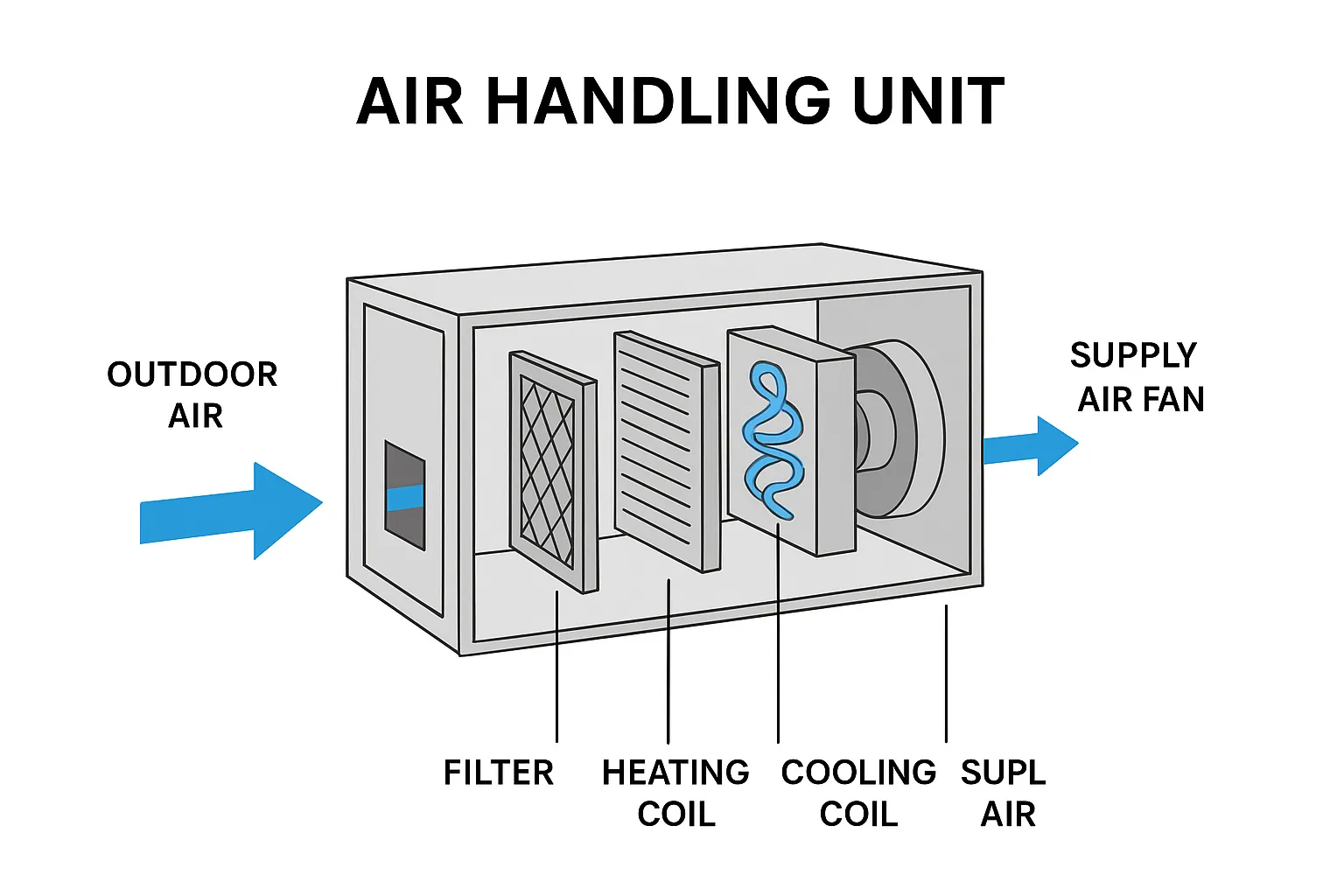
How to select an air handling unit?
The selection of air handling units should take into account the following key factors:
(1) Air Flow Rate: Calculated based on the area of the air-conditioned zone, floor height and air change rate (for example, in an office area, it is usually 8-12 times per hour), to ensure that it meets the fresh air requirements of personnel and the indoor load.
Cooling/Heating Load: Calculated based on the building orientation, heat transfer of the envelope structure, heat dissipation of equipment, and heat generation by personnel, etc., to match the cooling capacity and heating capacity of the unit.
(2) Air Parameters: Clearly define the requirements for supply air temperature and humidity (for example, a high-precision control module is needed for a constant temperature and humidity environment), and select a unit with the corresponding functional sections (such as humidification, dehumidification, and filtration).
(3) Installation Conditions: Considering the size of the computer room space (horizontal, vertical or ceiling-mounted), load-bearing capacity and pipe connection direction, modular design is preferred to adapt to site restrictions.
Installation Conditions: Considering the size of the computer room space (horizontal, vertical or ceiling-mounted), load-bearing capacity and pipe connection direction, modular design is preferred to adapt to site restrictions.
(4) Filtration Grade: Select the filtration efficiency based on environmental requirements (for example, if a hospital needs a high-efficiency filter of H13 grade or above, a primary and medium efficiency filter is sufficient for a regular office area).
(5) Energy Efficiency and Energy Conservation: Variable frequency fans and high-efficiency heat exchangers are selected, combined with heat recovery functions (such as rotor heat recovery) to reduce energy consumption, meeting national energy efficiency standards.
(6) Control Mode: It needs to be compatible with the building automation system, support remote monitoring, and automatically adjust the air flow/temperature and humidity to ensure stable operation. Brand and maintenance: choose good reputation of the brand, consider after-sales service and parts, such as filters, motor replacement convenience.
When selecting the model, it is recommended to provide detailed building parameters. Professional engineers will conduct load calculations and scheme designs. If necessary, equipment performance tests will be carried out for verification.