Comprehensive Maintenance Guide for Four Core Components of Dehumidification Air Handling Units
1. G4 Primary Filter – The First Line of Defense
Why It Matters:
The G4 primary filter is your system's frontline guardian. It captures airborne particles ≥5μm (dust, hair, pollen, lint, etc.), preventing them from clogging downstream filters and components.
When to Replace:
Clean Offices: Every 4–6 months.
General Industrial/Northern Heating Zones: Every 2–3 months.
High Pollution/Heavy Industrial Zones: Every 1–2 months.
Mandatory: Replace immediately when the pressure differential reaches 200–250 Pa.
2. System D ryer Filter Core – Keeping Refrigerant Clean
Why It Matters:
Installed in the refrigerant circuit, it adsorbs moisture, acidic compounds, and solid contaminants to prevent expansion valve blockages and internal corrosion.
When to Replace:
First Replacement: 12 months after initial commissioning.
Routine Maintenance: Every 12–18 months, with visual inspections every 3–6 months.
Emergency: Drops in cooling performance, abnormal pressure fluctuations, or low-pressure alarms.

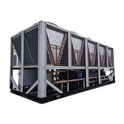
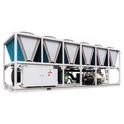
3. Outdoor Condenser Coil Cleaning – Breathe Life Into Your System
Why It Matters:
Clogged fins reduce heat exchange efficiency by 8–12%, raising condensing pressure and overloading the compressor.
Cleaning Procedure:
Safety First: Disconnect power supplies.
Low-Pressure Rinse: Use a garden hose with low pressure. Never use a pressure washer (it will bend fins).
Stubborn Grease: Use a neutral-pH cleaner (1:10 dilution), let sit for 3–5 minutes, then brush gently vertically.

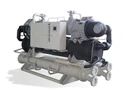
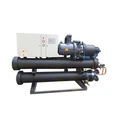
4. Screw Compressor Oil – The Lifeblood of Your Compressor
Why It Matters:
Lubricates moving parts, seals compression chambers, carries away heat, and dampens noise. Degraded oil forms carbon deposits that accelerate wear.
When to Change:
First Mandatory Change: After 2,000 hours (~3 months).
Routine Change: Every 8,000–10,000 hours (~2 years).
Abnormalities: Oil turns dark/cloudy, viscosity shifts >±10%, or high discharge temperatures.

5. Maintenance Records – The Foundation of Predictive Care
All service actions should be logged, including: date, component model, reason for replacement, and operating parameters.
*Note: This guide is for reference only. Always consult the manufacturer manual for specific torque specs and oil grades.*