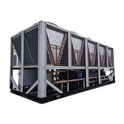
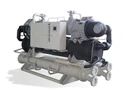
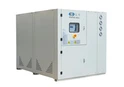
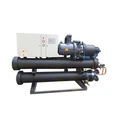
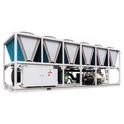
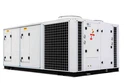
Glycol chillers and water chillers are two common choices when it comes to cooling systems, and while they are both used to regulate temperatures, there are some key differences in terms of cooling mediums and applications, etc., and the next step is to share with you the differences between the two, glycol chillers and water chillers.

Glycol Chiller VS Water Chiller Cooling Medium
Glycol chillers are mainly used for temperature regulation by using glycol as the cooling medium. Glycol has a low freezing and boiling point, while chillers usually use water as the cooling medium, which is usually suitable for higher temperature requirements.
Glycol Chiller VS Water Chiller Antifreeze Performance
Glycol chillers have a high degree of frost resistance and can operate at low temperatures without freezing, which makes them more reliable for outdoor or cold climate applications. In contrast, chillers can freeze at low temperatures and require additional measures to prevent damage to the cooling system.
Glycol Chiller VS Water Chiller Application
Glycol chillers are widely used in industries that require low-temperature cooling, such as food processing, pharmaceutical industry and frozen storage, where they provide more precise temperature control and maintain a stable low-temperature environment. And chillers are widely used in air conditioning systems, industrial heating equipment, machinery cooling and other general cooling needs.


Glycol Chiller Vs Water Chiller Pros And Cons
Glycol Chiller Benefits
● Low Temperature Range: Glycol chillers are able to offer a wider range of temperatures, including the needs of low-temperature applications. They are suitable for applications that require precise control and maintenance of stable low temperatures, such as refrigeration in food processing or low-temperature storage in pharmaceuticals.
● Freeze Resistance: Glycol has high freeze resistance and can operate at low temperatures without freezing, making glycol chillers more reliable for outdoor or cold climate applications.
● Thermal Conductivity: Glycol has better thermal conductivity, which allows it to absorb and transfer heat more efficiently, providing higher cooling efficiency.
● Stability: Glycol chillers provide stable temperature control and maintain a constant low-temperature environment, helping to protect product quality and stability.
Glycol Chillers'Disadvantages
● Cost: Glycol chillers are typically more costly compared to water chillers because glycol is a specialized cooling medium that requires additional equipment and system design.
● Handling Requirements: Glycol has a high viscosity and the system piping and pumps need to be designed correspondingly stronger to ensure smooth circulation of the fluid, which can add to the complexity and maintenance requirements of the system.
● Environmental Impact: Glycol is a chemical substance and handling of waste streams may require additional environmental safety measures.
Water Chiller Advantages
● General Cooling Needs: Chillers are suitable for general cooling needs such as air conditioning systems or industrial heating equipment, and they are widely used in general industrial and commercial applications.
● Cost-effective: Chillers are usually more cost-effective than glycol chillers because water is a common cooling medium and equipment costs and maintenance are relatively low.
● Simple system design: Due to the better fluidity of water, chiller system design is relatively simple and does not require special piping and pump design.
Water Chiller Disadvantages
● Temperature range limitation: the temperature range of chillers is usually higher compared to glycol chillers and is not suitable for applications that require lower temperatures.
● Weak freeze resistance: water as a cooling medium may freeze at low temperatures, requiring additional measures to prevent damage to the cooling system.
Special attention should be paid to the fact that the choice between a glycol chiller or a water chiller depends on the specific application needs and temperature requirements. Whether it is in the food processing industry, the pharmaceutical sector or industrial manufacturing, the correct choice of cooling system is essential to maintain product quality and process stability. For applications that require low-temperature cooling, a glycol chiller is usually the more suitable choice, while for general cooling needs, a chiller may be more appropriate. When making your selection, it is recommended to consult with a professional chiller manufacturer or engineer to ensure that you choose the cooling system that best suits your needs.